
Short Sale vs. Foreclosure in Texas: Which Option Is Right for You?
Short Sale vs. Foreclosure in Texas: Which Option Is Right for You?
When you fall behind on mortgage payments or face financial hardship, it can feel like you’re trapped between difficult choices. Two paths that many Texas homeowners consider are short sales and foreclosures. Both options offer a way to move forward, but each has different implications for your credit, financial future, and peace of mind.
At J. Gannon Helstowski Law Firm, we guide homeowners through these complex decisions with care and clarity. If you’re unsure which path is right for you, our team is here to help you evaluate your situation and make a confident choice.
What Is a Short Sale in Texas?
A short sale occurs when your home is sold for less than what you owe on your mortgage, and your lender agrees to accept that amount in full satisfaction of the loan. This option may be appropriate if:
- You can no longer afford mortgage payments
- You want to avoid foreclosure
- You need to sell your home quickly
A short sale offers a way to exit your mortgage without waiting for foreclosure, which can help you move forward sooner.
What Is a Foreclosure in Texas?
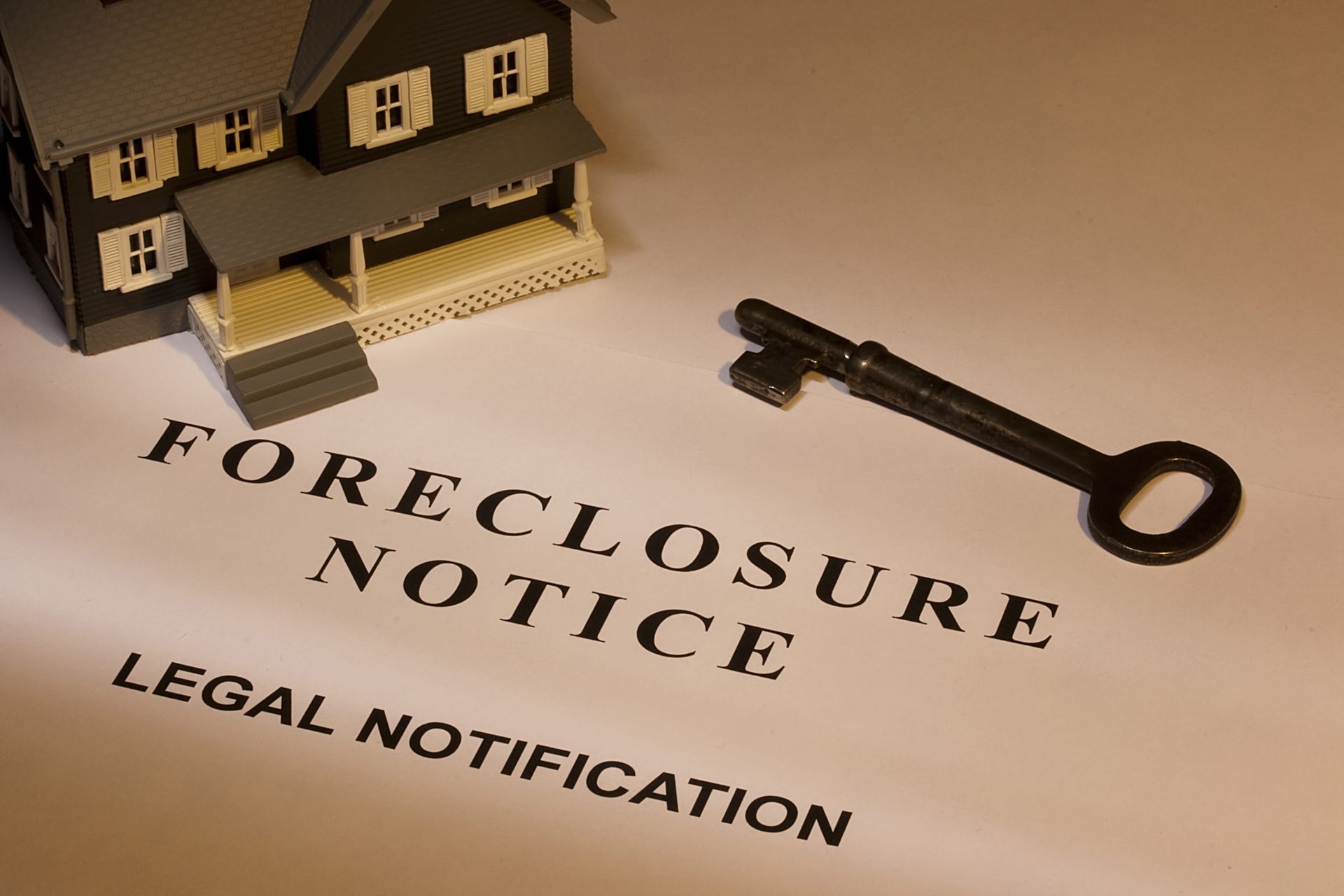
Foreclosure is a legal process where your lender takes back your property because you have failed to keep up with mortgage payments. In Texas, foreclosures often proceed through a non-judicial process, meaning the lender can sell the property without court involvement.
Once a foreclosure is complete:
- You lose ownership of your home
- Your credit rating may be significantly impacted
- You may face challenges qualifying for future loans
Comparing Short Sale and Foreclosure
Here’s how the two options compare in key areas:
1. Credit Impact
Both options affect your credit, but a short sale typically has a less severe impact than a foreclosure. Your credit score may recover faster after a short sale, helping you qualify for future housing sooner.
2. Control and Timing
With a short sale, you have more control over the timing and process of the sale. Foreclosure generally moves forward once initiated, with less input from you.
3. Financal Considerations
In a short sale, your lender must approve the sale price, which can be time-consuming. However, it may help you avoid deficiency judgments or reduce your liability depending on your mortgage terms.
A foreclosure, on the other hand, may proceed more quickly, but it typically leaves the borrower with fewer financial options at the end of the process.
Which Option Is Right for You?
There’s no universal answer — the best option depends on your financial situation, timing, and long-term goals. That’s where the team at J. Gannon Helstowski Law Firm can make a difference.
We review your mortgage terms, current financial picture, and goals before recommending the right path. Our attorneys also handle communication with your lender, help prepare necessary documentation, and represent your interests every step of the way.
Get Help Today
If you’re facing the possibility of losing your home, you don’t have to navigate the process alone. The team at J. Gannon Helstowski Law Firm can explain your options and help you make the choice that best supports your financial future.
Call us now at 817-382-3125 to schedule your consultation and take the first step toward clarity and peace of mind.